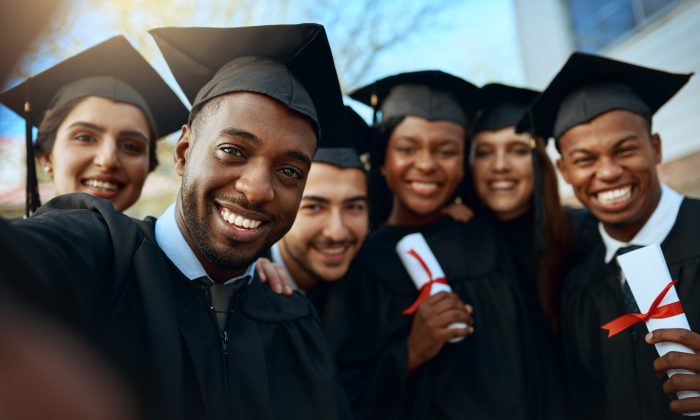
No modern educational context, higher education institutions transcend the traditional role of mere places of learning to become providers of complex and multifaceted product-services. This article seeks to unravel the layers of this offer, especially analyzing how the diploma – the final product – and the associated services (classes, trainings, lectures, libraries, laboratories, among others) make up a unique offering that requires a crucial ingredient for success: active student engagement.
The product: diploma
The higher degree can be seen as a tangible product. Firstly, the diploma certifies the acquisition of a specific body of knowledge and technical skills. It validates that the student has successfully met the academic requirements of a particular study program, passing assessments and demonstrating proficiency in key areas related to your discipline. This aspect of the diploma is fundamental, as it assures employers and society that the individual has the skills and knowledge necessary to contribute effectively in their field of activity.
In addition to validating knowledge and competence, the diploma serves as a crucial facilitator of access to the job market. Many careers require a specific formal education degree as a prerequisite for employment. In this sense, the diploma acts as a key to career opportunities, significantly increasing the graduate's chances of finding a job in their field of training. Even in those cases in which diplomas are not prerequisites, they serve as passports that facilitate entry into the market, as shown by the selection processes for internships andtrainees. Besides that, Statistics indicate that individuals with college degrees tend to have higher salaries and higher employment rates compared to those without college degrees.
The service: student experience
On the other hand, the nature of the service offered by universities is intrinsically more complex. Covers a wide variety of experiences and resources offered to students, that go far beyond classroom teaching. This service consists of classes, trainings, lectures, access to libraries and digital resources, extracurricular activities, academic and psychological support, networking opportunities and more. Each of these elements contributes to the student’s integral education., not just in academic terms, but also personal and professional. Like this, they serve a dual purpose: enrich the student's knowledge and prepare them for the future demands of their career.
Product and service integration in higher education requires a holistic approach to education. The diploma, as a final product, is largely influenced by the quality and breadth of services provided throughout the student's educational journey. A rich and engaging educational experience can significantly increase the value of the degree, better preparing students for future challenges and increasing their employability.
The complexity of educational delivery also implies the need for personalization and flexibility. Recognizing the diversity of needs, student interests and learning styles, HEIs are increasingly seeking to offer personalized educational paths. This may include a variety of course options, adaptive teaching methods, digital learning resources, and experiential learning opportunities, such as internships and research projects. This personalized approach helps to ensure that the service provided is aligned with students’ individual aspirations and needs, thus maximizing the value of the degree they receive.
Student engagement: the key to success
Student engagement emerges as the essential catalyst in this equation, acting directly on the quality of both the product and the service. A diploma is not just awarded, but achieved through an active process of learning and development. Similarly, the quality and value of the services offered are directly proportional to the level of student participation and involvement. classes, for example, become more dynamic and productive when students actively participate. Trainings and lectures are more effective when students are engaged and motivated to apply what they learn.
TO IES, therefore, not just provide a service, but co-creates the value of this service with the student. This implies a symbiotic relationship, where the success of the student is also the success of the institution. On the other hand, a disengaged student may not only fail to derive maximum benefit from their educational investment, but also decrease the perceived value of the educational service as a whole.

Offering product-services in the context of higher education is a complex proposal that requires more than the simple transmission of knowledge. It requires an active commitment from both the institution and the student. The diploma, as a product, represents the culmination of a learning process that is profoundly influenced by the quality of services provided by the university and
by the level of student engagement. Like this, educational success is best understood and achieved within a partnership model, where each party has a vital role to play.
*Rodrigo Cintra is executive director of innovation and customer experience at ESPM. Post-doctorate in creative industries and territorial competitiveness at ISCTE (Lisboa, Portugal)
Article originally published in Higher Education Magazine – Opinion
https://revistaensinosuperior.com.br/2024/05/14/as-ies-como-fornecedoras-de-produtos-servicos