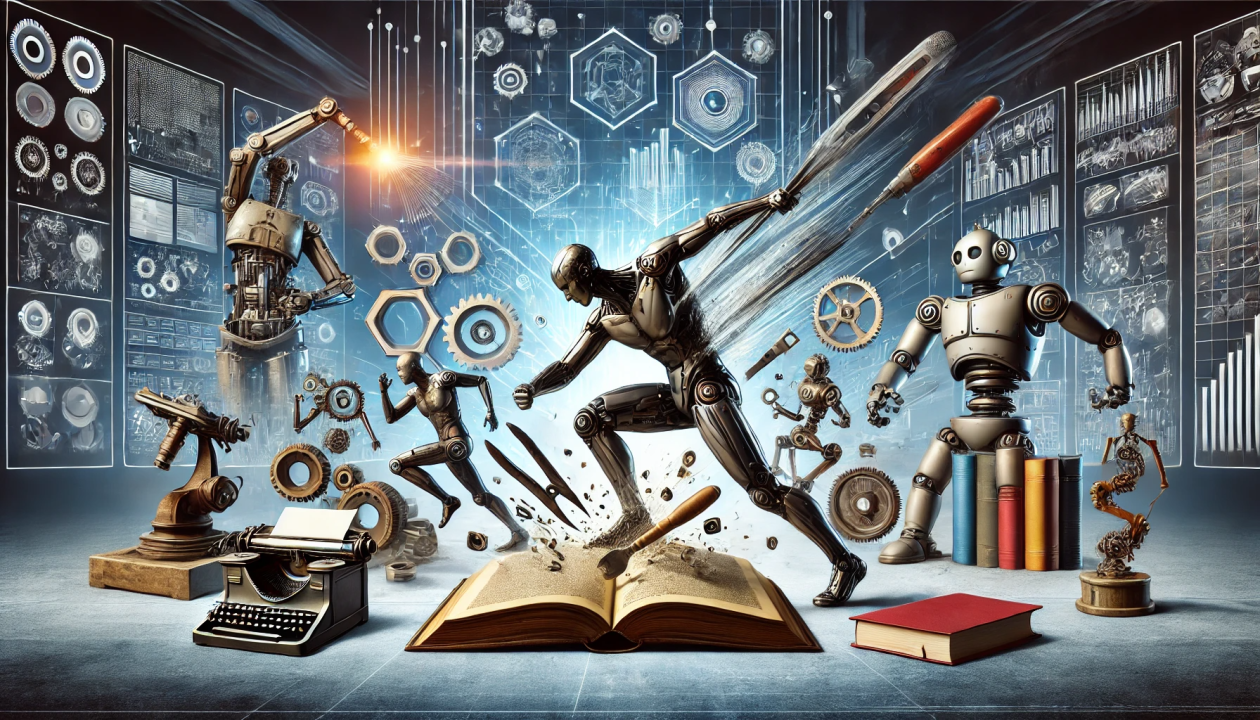
In the contemporary world, machines play a crucial role in analyzing data and identifying correlations that, otherwise, could go unnoticed by humans. With the ability to process vast amounts of information at impressive speed, they help refine processes, predict trends and optimize operations. However, This growing reliance on algorithms and artificial intelligence raises questions about true innovation and the need to unlearn established patterns.
Machines and correlations: the limit of innovation
Machines are extremely efficient at improving correlations, finding patterns in large volumes of data. For example, in the retail sector, Machine learning algorithms can analyze customers' purchasing behavior and suggest products based on their past preferences. This type of predictive analysis increases sales and improves the customer experience.
However, innovation is not limited to improving what is already known. True innovation requires a leap beyond established correlations, questioning assumptions and exploring new directions. Here lies the challenge: while machines are excellent at working with historical data, innovation often demands a break with the past – and that is where unlearning becomes essential.
Unlearn: a path to innovation
Unlearning is the process of abandoning knowledge, beliefs or habits that are no longer relevant or that impede progress. It's a crucial skill for innovators, as it allows openness to new ideas and approaches. In a business environment, This may mean questioning traditional practices or disregarding methods that, although effective in the past, no longer align with current needs.
For example, Netflix started as a DVD-by-mail rental service, but upon realizing the potential of digital streaming, the company had to unlearn its original business model and completely reinvent itself. This letting go of the past has allowed Netflix to lead a revolution in the way we consume media.
The art of questions. the business of answers
There is a fundamental distinction between the artistic and business approach when it comes to innovation. In art, frequently seek to raise questions, explore the unknown and challenge perceptions. Artists create to provoke reflection, open debates and often do not offer clear answers. This process is inherent to artistic creation and cultural advancement.
In business, on the other hand, there is constant pressure for concrete answers and solutions. Companies seek efficiency, measurable results and returns on investment. This search-for-answers mentality can limit creativity and the ability to explore unconventional paths.
To balance these two approaches, innovative companies can benefit from adopting a more open and curious mindset, drawing inspiration from art to question and explore. By encouraging a culture of questioning and experimentation, organizations can discover new opportunities and creative solutions.
The innovation process requires more than the ability to improve correlations; requires the ability to unlearn and the willingness to explore new questions, even when the answers are not immediate. Companies that take this approach can find new ways to stand out and lead in an ever-changing marketplace..
As futurist writer Alvin Toffler said: “The illiterate of the 21st century will not be those who cannot read and write, but those who cannot learn, unlearn and relearn.”