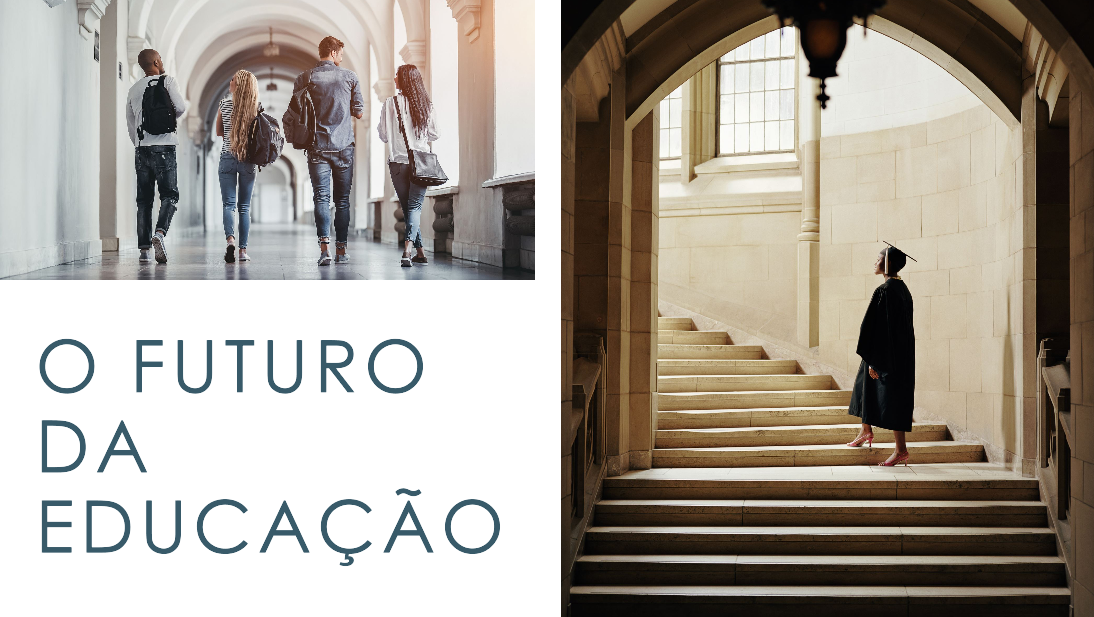
Education is at an inflection point. The traditional educational model, centered on lectures and standardized assessments, is being questioned and reformulated. Today’s students seek more than just formal education; they seek learning experiences that are meaningful, practical and aligned with your passions and real-world challenges.
The future of education points to a more diverse and personalized learning ecosystem. Emerging technologies, such as artificial intelligence and virtual reality, are reshaping what is possible inside and outside the classroom, creating more immersive and personalized learning experiences. These technologies allow students to learn at their own pace and according to their unique learning styles.
Besides that, there is a growing movement towards competency-based education, where students advance based on demonstration of specific skills and knowledge, instead of classroom hours. This recognizes learning as an ongoing process, which can occur in various contexts and throughout life, not only within the boundaries of the educational institution.
Experiential learning, which includes internships, project-based learning and in-service education, is becoming a crucial part of educational curricula. These experiences allow students to apply what they learn in real-world situations, develop essential 21st century skills and establish valuable connections with the community and industry.
Education is no longer confined to the campus or classroom. With the advancement of online education and hybrid learning, students can access high-quality resources from anywhere in the world, customizing your education to meet your specific needs and interests. This also opens doors to more inclusive education, reaching students who may have been marginalized by the traditional education system.
Student engagement is at the heart of this educational transformation. Student voice and choice are becoming increasingly central to the learning process, encouraging curiosity, creativity and intrinsic motivation. As educators become facilitators of learning, rather than holders of knowledge, students are empowered to take control of their own education, exploring your interests and following your own paths.
In conclusion, the future of education is promising and exciting. It's moving towards a more holistic approach, flexible and student-centered, that not only prepares students for professional success, but also to be engaged global citizens and lifelong learners. As we move forward, It is essential that we continue to listen to and incorporate student voices in developing educational practices, ensuring education remains relevant, accessible and inspiring for everyone.
If you want to be part of this transformation and contribute to the future of education, start today. Explore new features, join learning communities and never stop questioning and learning. Together, We can create an educational future that meets the needs and aspirations of all students.