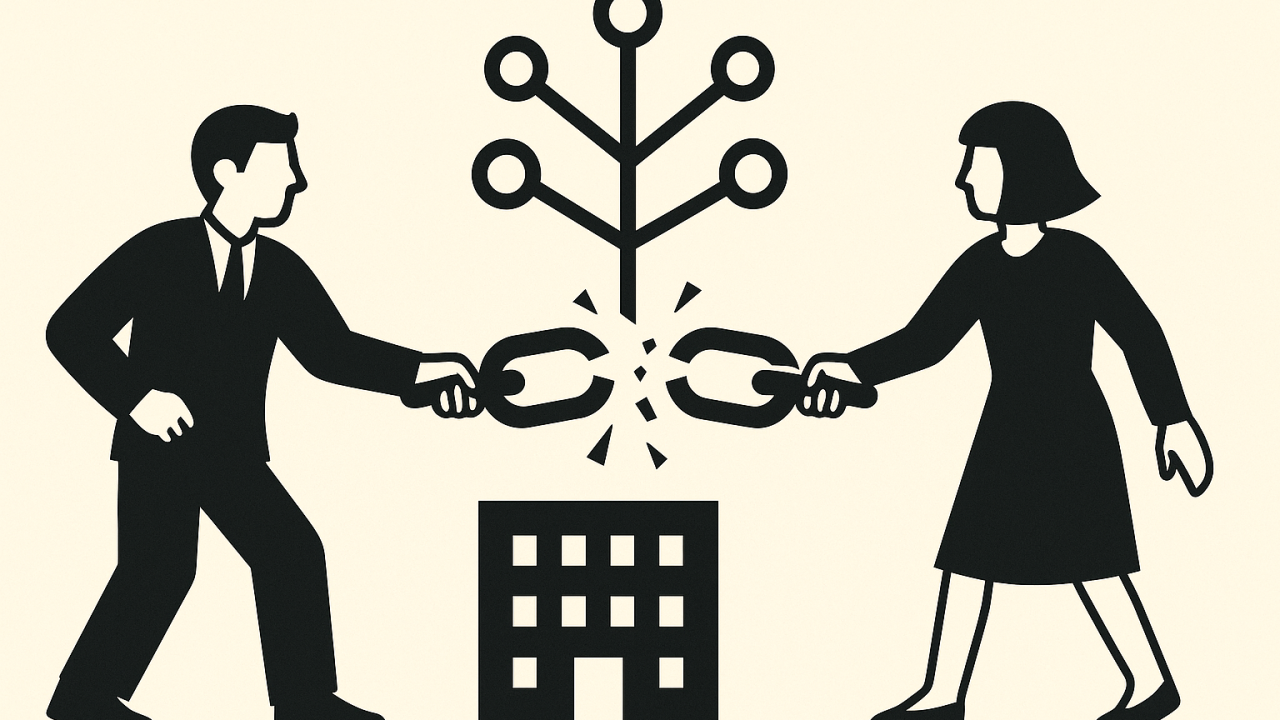
We have become accustomed to pointing fingers and complaining about this generation and its behavior in the world of work, but will she “fell apart” on your own? The behavior of an entire generation should not be a consequence of something bigger, more structural? The “mimiimi generation” label hides a chain of structural changes that began decades ago and shapes, today, the expectations of professionals and organizations. It's not a mimimi generation, but from a mimimi work structure.
Upon delving deeper into this issue, I decided to write a series of articles that could help us think better about what is happening.. With this I arrived at five articles that were conceived as an integrated vision — from the dissolution of lifelong employment to the transformation of the employee experience into a competitive advantage — to demonstrate that true mimimi is born in corporate practices, and not in individual attitudes. That is, the mimimi generation is a response and not the cause.
In the coming weeks I will publish the articles, that can be read individually, but which are part of a macro argument. In the first, the evolution of the employment relationship is revisited, showing how the lifetime employment model gave way to medium-term contracts based on deliveries and flexibility (Of lifetime career to transactional journey). Then, the concept of psychological contract and the effects of its violation — apathy, turnover and distrust — which many confuse with lack of commitment (The breach of the psychological contract and its reflexes). The third article reverses the focus to reveal that opaque processes, disconnected goals and lack of purpose are the true institutional mimimi (When companies become “mimimi”). In the room, the role of leadership in restoring trust stands out, through transparent communication, consistent feedback and career sponsorship (Leadership without “mimimi”: building reciprocal loyalty). Lastly, the fifth monster text as employee journey mapping, combined with people analytics and engagement technologies, transforms internal experience into a strategic differentiator (Employee experience as a strategic advantage).
“It is in the continuous alignment between clear expectations and shared responsibility that a sustainable and innovative working relationship is built”