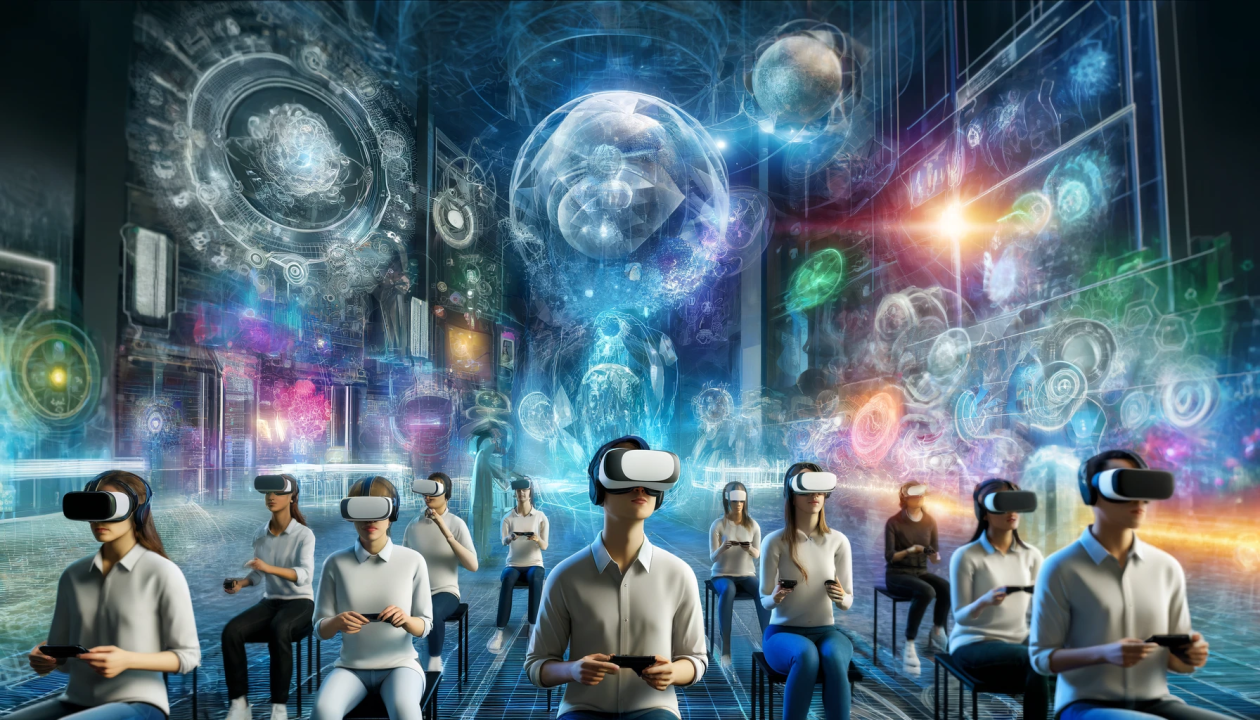
As technology advances, consumer experiences are becoming increasingly rich and engaging. Augmented Reality (AR) and Virtual Reality (VR) These are technologies at the forefront of this transformation, offering brands powerful tools to create deep, memorable connections with consumers. Using these resources, Companies can now engage users’ multiple senses, not only improving the shopping experience but also establishing a lasting emotional bond.
Leveraging Augmented and Virtual Reality for Immersive Experiences
- Virtual Fitting Rooms and Product Customization: Fashion companies like Gucci and Sephora use AR to enable consumers “try it” products virtually, from clothes to makeup. This interaction not only increases confidence in the purchase, but also provides a moment of fun and engagement with the brand.
- Virtual Tour of the Retail Space: VR can transport consumers for full immersion in a store environment, allowing them to explore the shelves as if they were physically present. A Tommy Hilfiger, for example, offers virtual tours of its flagship stores, enabling customers from all over the world to have an exclusive shopping experience, without leaving home.
- Gamification of Shopping Experiences: Integrating gaming elements into AR and VR experiences can significantly increase consumer engagement. Brands like LEGO are already exploring these technologies to create interactive experiences that allow users to build and explore virtual worlds with their products..
- Product Education and Awareness: Using AR and VR to educate consumers about the use or origin of products can enrich the shopping experience. Nespresso uses AR to show customers the origins of coffee, the production process and capsule recycling tips, increasing the brand’s perceived value and commitment to sustainability.
- Virtual Events and Launches: Com a VR, brands can create product launches and events that customers can “to participate” from any part of the world. This method not only expands the reach of the event, but also adds a layer of exclusivity and innovation.
Challenges and considerations
Despite the many advantages, implementing AR and VR technologies comes with challenges, including the need for significant investments in technology and development, in addition to managing user data privacy. The key to a successful implementation will be balancing innovation with responsibility, ensuring a safe and enriching user experience.
Multisensory experiences are the future of consumer interactions. Brands that embrace these technologies are not only ahead in innovation, but also create deeper, more memorable bonds with your customers. As the CEO of Magic Leap suggests, Rony Abovitz, “Augmented and virtual reality are more than new technologies; are ways to connect more deeply with consumers’ emotions and sensations, completely transforming the shopping experience.”